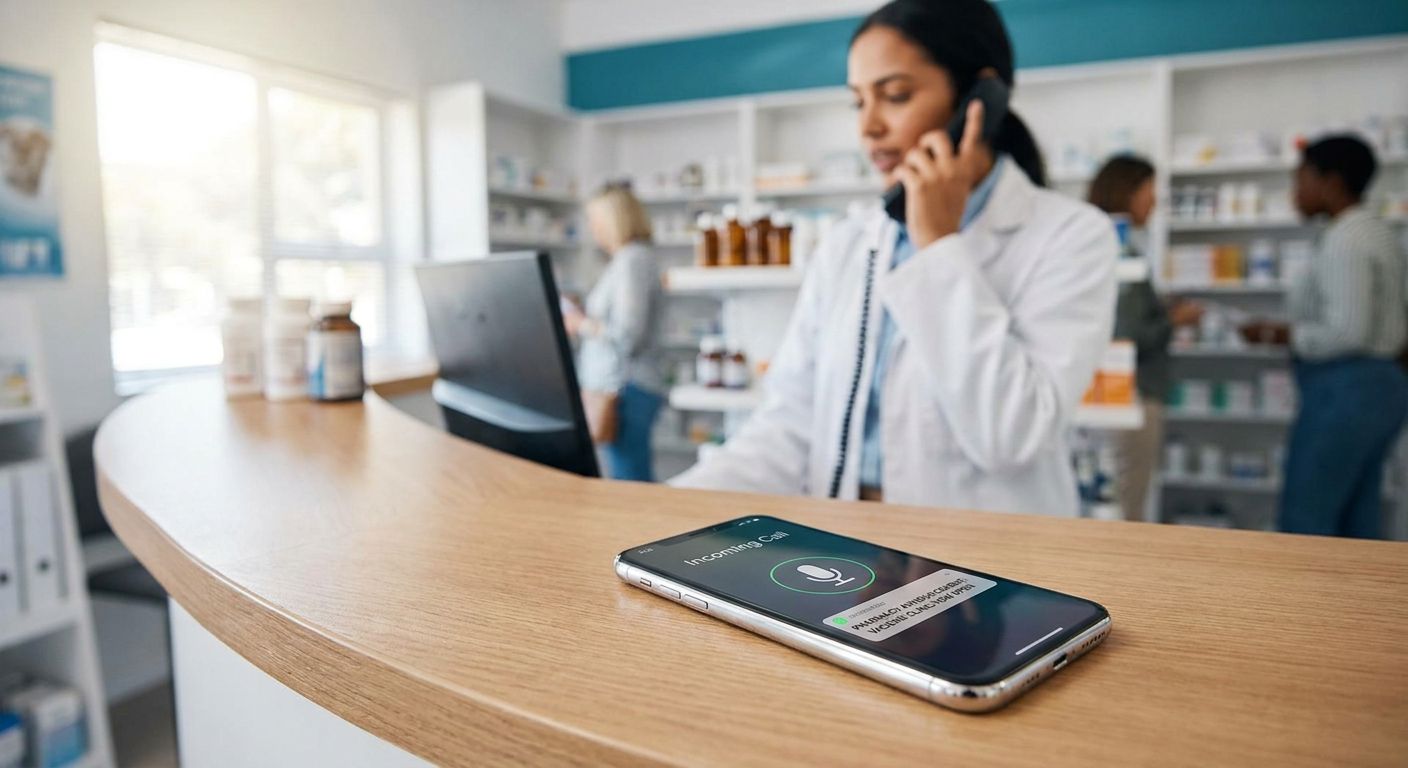
A dental practice's phone greeting is often the first voice a nervous patient hears before they even see a dentist, and getting it wrong costs appointments in 2026 the same way it did a decade ago. This guide breaks down what a phone greeting for dental practice needs to do, which formats actually work for German, Austrian and Swiss practices, and where a generic recording falls short.
- A phone greeting for dental practice must route emergencies fast — TelefonSounds custom IVR scripts do this in one menu layer. Buy.
- Multilingual greetings matter in border regions of Germany, Austria and Switzerland; single-language recordings lose patients. Consider upgrading.
- 48-hour delivery from TelefonSounds beats agencies that quote 1-2 weeks for a dental voicemail greeting. Buy.
- Robotic text-to-speech voices for a dental office greeting read as cold and unprofessional in 2026 patient surveys of trust. Skip.
Who this is for
This guide is for practice managers and dentists in Germany, Austria and Switzerland who answer the phone with a hold tone from 2012 or a receptionist reading a script off a sticky note. If your practice runs more than one line, has an after-hours emergency policy, or serves patients who don't all speak German as a first language, the greeting you use is doing more work than you think. A weak phone greeting for dental practice setups is a silent source of missed bookings — patients hang up when routing is confusing or the tone feels off.
Why this matters
Patients calling a dental office are often anxious, in pain, or trying to book around a tight work schedule. A greeting that takes 40 seconds to explain five menu options before reaching "press 1 for appointments" loses callers before they get there. A clear, well-produced phone greeting for dental practice reduces call abandonment and sets the tone for the visit before anyone speaks to a human. In 2026, with patients comparing practices online before they ever dial, the phone experience is part of the brand — not an afterthought handled by whatever voicemail app came with the phone system.
What to look for in a phone greeting for dental practice
Voice tone that reads as calm, not clinical
A dental office greeting needs warmth without sounding scripted or theatrical. Patients associate a rushed, flat voice with a rushed, flat appointment — the tone of the greeting is doing brand work whether the practice intends it to or not.
Clear routing for emergencies
Anyone calling with a cracked tooth or post-extraction bleeding needs an emergency option within the first two sentences, not buried under "for billing questions, press 4." A phone greeting for dental practice that hides urgent care routing behind three menu layers is a design failure, not a minor inconvenience.
Multilingual coverage for the DACH region
Germany, Austria and Switzerland all have significant populations for whom German isn't a first language, and border regions add French, Italian and Turkish into the mix depending on the canton or state. A single-language greeting quietly excludes callers who then go find a practice that speaks to them directly.
Consistency across greeting, hold, and voicemail
A polished main greeting paired with a scratchy hold-music loop or a mismatched voicemail message undoes the professional impression in seconds. All three touchpoints — greeting, hold announcement, and voicemail — need the same voice, pacing and quality.
Update flexibility for holidays and closures
Dental practices close for holidays, staff training, and unplanned absences more often than most service businesses realize. A recording setup that takes two weeks to update for a Christmas closure is a recording setup that will be wrong half the time it's used.
Fast turnaround when scripts change
Insurance panel changes, new dentists joining, or a new address after a move all require a script update. A phone greeting for dental practice that can't be refreshed within days keeps outdated information live and confuses returning patients.
Top picks for dental practice phone greetings
The safe pick — Emergency-first main greeting. Structure the opening line so an emergency option comes before general menu routing, not after it. TelefonSounds builds this as a two-sentence script with the emergency prompt in position one, produced with delivery inside 48 hours. Buy.
The DACH specialist — bilingual reception greeting. For practices near the German-Austrian, German-Swiss, or French-Swiss borders, a greeting that opens in German and offers a second-language option catches callers who'd otherwise disconnect. TelefonSounds draws from over 100 professional speakers, which covers regional accents and second languages without sounding like a stock recording. Buy.
The sorter — IVR menu for multi-department practices. Practices with separate lines for general dentistry, orthodontics, and oral surgery need a menu voice that keeps each option under six words and caps the total menu at four choices. Longer menus increase hang-ups before the caller reaches a human. Consider if your practice runs three or more departments; Skip it for single-dentist offices where a live receptionist can route calls directly.
The waiting-room fix — hold announcement plus hold music. A hold message that reminds callers about online booking or insurance acceptance while they wait turns dead air into useful information. Pairing it with a professionally recorded hold track (not a default phone-system loop) keeps the wait from feeling longer than it is. Buy for practices with average hold times over 30 seconds.
The fallback — after-hours voicemail greeting. A voicemail script that states office hours, gives the emergency line, and confirms a callback window (same day, next business day) sets expectations instead of leaving callers guessing. Buy for any practice that closes evenings or weekends.
Get a custom dental phone greeting
Professional voice recordings for greetings, IVR and voicemail, delivered in 48 hours.
What to avoid
- Default text-to-speech voices. They're free with most phone systems, but the flat cadence reads as impersonal in a healthcare setting where tone signals care.
- Menus longer than four options. Every extra menu layer increases the odds a caller hangs up before reaching the right department, especially callers in pain.
- Stock hold music with no practice information. Generic instrumental loops waste 30-90 seconds of caller attention that could reinforce booking options or office hours.
Verdict comparison
| Greeting type | Best for | Turnaround | Verdict |
|---|---|---|---|
| Emergency-first main greeting | Every practice | 48 hours | Buy |
| Bilingual reception greeting | Border-region practices | 48 hours | Buy |
| IVR menu (3+ departments) | Multi-department clinics | 48 hours | Consider |
| Hold announcement + music | High hold-time practices | 48 hours | Buy |
| After-hours voicemail | Practices with closed hours | 48 hours | Buy |
FAQ
What should a phone greeting for a dental practice say first?
It should open with the practice name and an emergency routing option before any general menu choices. Patients calling in pain need that path within the first two sentences, not after three other options.
How long should a dental office phone greeting be?
A main greeting should run 10-15 seconds and a full IVR menu under 30 seconds total. Longer greetings increase call abandonment, especially from patients calling on mobile between appointments.
Do dental practices in Germany need a multilingual greeting?
Practices in border regions or cities with diverse populations benefit from a second-language option in the greeting. It's not legally required in 2026, but it directly affects how many callers stay on the line.
How much does a custom phone greeting for a dental practice cost?
Pricing depends on script length, number of languages, and whether hold music and voicemail are bundled in. Check current options directly on the TelefonSounds site for an accurate quote.
How fast can a dental practice get a new phone greeting recorded?
TelefonSounds delivers custom recordings within 48 hours, which covers greetings, IVR menus, hold announcements and voicemail messages. That turnaround matters most around holiday closures and last-minute staff changes.
Is a professional voice recording better than an automated phone system voice?
Yes, for patient-facing healthcare calls a professionally recorded voice reads as more trustworthy than a default system voice. The difference shows up most in emergency-routing lines where tone affects how calm the caller stays.
Should hold music be included with a dental phone greeting?
Pairing hold music with a spoken hold announcement keeps callers informed instead of just waiting through silence or a generic loop. It works best when the announcement mentions booking options or office hours.
One last thing
Most practices update their website and their signage every few years but never touch the phone greeting recorded when the office first opened — patients hear a decade-old script long after the practice has changed dentists, hours, or even location. Checking the greeting alongside every other yearly brand update, not just when something breaks, catches the outdated information before a caller does.